
When most people think about exercising, they picture dynamic movements—lifting weights, running, or jumping. But did you know that some of the most effective exercises require you to stay completely still? Isometric exercises, which involve holding a static position for a period of time, are an underrated yet powerful way to improve your strength, endurance, and overall health. These “still” exercises can deliver some surprising benefits that you might be missing out on!
What Are Isometric Exercises?
Isometric exercises involve contracting your muscles without moving the joints. Instead of lifting, lowering, or shifting, you hold a position while your muscles work hard to maintain that position. Classic examples include:
- Planks: Holding your body in a push-up position, maintaining tension in your core.
- Wall Sits: Sitting against a wall as if you’re in an invisible chair, engaging your legs and glutes.
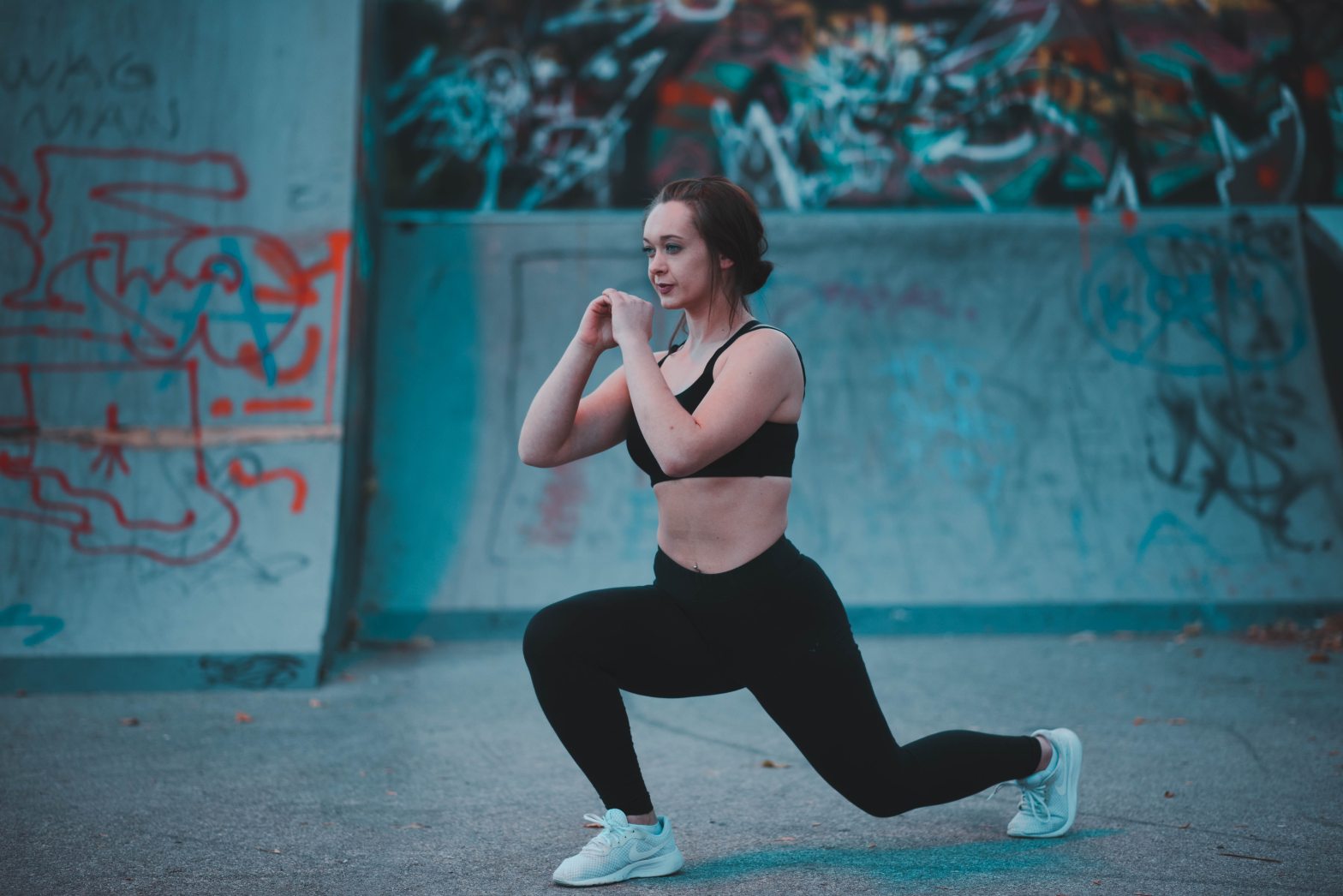
- Static Lunges: Holding a lunge position without moving, challenging your legs and core.
- Isometric Squats: Lowering into a squat and holding that position to engage your quadriceps and glutes.
These exercises rely on a static hold, but don’t be fooled—they can be deceptively difficult, and the benefits are immense.
The Benefits of Isometric Exercises
While they may not involve any visible movement, isometric exercises come with a range of hidden benefits that can improve your fitness and overall health. Let’s explore some of the key advantages.
1. Build Strength Without Heavy Lifting
Isometric exercises are fantastic for building muscle strength without the need for weights or excessive motion. When you hold a position, your muscles remain under constant tension, which helps increase their capacity to generate force. This is especially useful if you’re working to improve strength in specific muscle groups or if you’re recovering from an injury and want to avoid the strain of traditional weightlifting.
For example, holding a plank engages your core muscles and builds strength in your abs, shoulders, and even your lower back—all without moving a muscle! You’re essentially training your muscles to stay engaged for longer periods, building strength in a more controlled and less risky manner than dynamic exercises.
2. Improves Blood Flow and Reduces Blood Pressure
One of the lesser-known benefits of isometric exercises is their ability to improve blood flow. When you hold a static position, your muscles contract, which compresses the blood vessels, temporarily restricting blood flow. Once you release the hold, blood flow surges back into the area, flushing out waste products and bringing in oxygen and nutrients. This process helps to enhance circulation throughout the body.
But here’s the big win: isometric exercises have also been shown to have positive effects on blood pressure. Several studies have demonstrated that these exercises can lead to reductions in both systolic and diastolic blood pressure, particularly in people with hypertension. The exact mechanism isn’t fully understood, but it’s believed that the increased blood flow following isometric holds may help improve vascular health and reduce arterial stiffness.
3. Boosts Endurance
Endurance is typically associated with long-duration, repetitive movements like running or cycling. However, isometric exercises also help improve muscular endurance by training your muscles to sustain tension over time.
When you hold a position like a plank or a wall sit, your muscles must work continuously to maintain that position, leading to improvements in their ability to endure stress. Over time, this increases your stamina, making it easier to handle long or intense workouts. Plus, boosting your muscle endurance helps with daily activities, improving your posture, balance, and ability to resist fatigue.
4. Weight Loss and Fat Burning
While isometric exercises might seem like a “static” workout, they can actually contribute to weight loss and fat burning. Holding a position requires a lot of muscular effort, and this effort uses energy—meaning you burn calories even while staying still.
Additionally, building muscle through isometric exercises increases your resting metabolic rate, meaning your body burns more calories throughout the day, even when you’re not working out. This makes isometrics a great tool for those looking to lose weight or tone their bodies without needing to resort to high-impact exercises that can be hard on the joints.
5. Joint and Injury Protection
Because isometric exercises don’t involve repetitive movement or impact, they are much gentler on your joints compared to traditional exercises like running, jumping, or weightlifting. This makes them an excellent option for people recovering from injury, those with joint pain, or anyone looking for a low-impact way to stay active.
Isometric exercises allow you to strengthen your muscles around the joints without placing stress on the joints themselves. By improving the strength of the supporting muscles, you also reduce the likelihood of future injuries.
How to Incorporate Isometric Exercises into Your Routine
The beauty of isometric exercises is that they can be done almost anywhere and require little to no equipment. Here are a few tips on how to get started:
- Start Simple: Begin with basic holds like planks, wall sits, or static lunges. Aim to hold each position for 20 to 30 seconds, then gradually increase the duration as you get stronger.
- Mix It Up: Isometrics can complement your regular workouts. Try adding a plank at the end of your workout to challenge your core, or add isometric holds to your weightlifting routine for an extra burn.
- Focus on Breathing: It’s common to hold your breath during isometric exercises, but this can lead to dizziness or unnecessary strain. Instead, focus on deep, steady breathing while you hold your positions.
- Challenge Yourself: Once you’re comfortable with basic exercises, try more advanced isometric holds or experiment with different muscle groups. For example, try holding a push-up at the lowest position, or do a squat hold with added weights.
Final Thoughts: The Power of Staying Still
Isometric exercises might seem simple, but don’t let that fool you—they offer a host of benefits, from building strength and endurance to improving circulation and aiding weight loss. Whether you’re short on time, recovering from an injury, or looking for a low-impact way to improve your fitness, isometrics can be the secret weapon in your exercise arsenal.
So next time you’re planning a workout, remember that sometimes, the best thing you can do for your body is to hold still—your muscles (and your health) will thank you for it!
 scozafitness.com