Protein is one of the most important nutrients your body needs to function, and yet many of us don’t get enough of it. Whether you’re looking to lose weight, build muscle, or simply stay healthy as you age, ensuring that you’re eating enough protein is key. But how much is “enough,” and what happens when you fall short? Let’s dive into the importance of protein and why you should prioritize it in your diet.
Why Protein Matters
Protein is the building block of every cell in your body. It’s essential for maintaining muscle mass, supporting your immune system, producing enzymes and hormones, and helping you recover after exercise. It’s also one of the most satiating macronutrients, meaning it keeps you feeling full longer—an important factor if you’re trying to manage your weight.
Without enough protein, your body can’t repair tissues, recover from workouts, or even support basic metabolic functions. If you’ve been feeling sluggish, losing muscle mass, or struggling to make fitness gains, it might be due to a lack of protein in your diet.
The Protein Formula: How Much Do You Really Need?
Scientists recommend that the average 19-year-old consumes about 0.8 grams of protein per kilogram of body weight. So, if you weigh 70 kg (around 154 lbs), that would equate to about 56 grams of protein per day. While this is a general guideline for most people, it doesn’t take into account various factors such as your activity level, age, or fitness goals.
If you’re looking to lose weight, build muscle, or are edging into your late thirties or older, your protein needs should be higher. Experts recommend 1.0 to 1.3 grams of protein per kilogram of body weight for those who fit into this category. For instance, if you’re 70 kg and aiming to build muscle, you should aim for about 70-91 grams of protein daily to meet your body’s needs.
What Happens When You Don’t Eat Enough Protein?
Failing to eat enough protein has several downsides:
- Muscle Loss: If your body isn’t getting enough protein from your diet, it will start breaking down muscle tissue to meet its protein needs. Over time, this can lead to muscle atrophy, which not only affects your strength and fitness but also reduces your metabolism.
- Slower Recovery: Protein is essential for repairing and building muscle tissue, especially after exercise. If you’re working out but not fueling your body with enough protein, you’re shortchanging your recovery and your gains.
- Increased Hunger: Protein is the most filling macronutrient, so not getting enough can leave you feeling hungry more often, making it harder to stick to a healthy eating plan—especially if you’re trying to lose weight.
- Weakened Immune System: Protein is crucial for the production of immune cells. A diet low in protein can weaken your immune response, making you more susceptible to illness.
- Fatigue and Weakness: Low protein intake can result in fatigue, reduced stamina, and general feelings of weakness. Your body simply doesn’t have the fuel it needs to keep you going strong.
The Benefits of a Protein-Rich Diet
When you hit your protein goals, the benefits go beyond just building muscle:
- Better Muscle Tone: Protein helps you retain and build muscle, which not only improves your strength but also boosts your metabolism, allowing you to burn more calories at rest.
- Weight Management: Higher protein intake can aid in weight loss by helping you feel fuller longer and reducing cravings. It also ensures that when you lose weight, you’re losing fat—not muscle.
- Healthy Aging: As you age, you naturally lose muscle mass, a condition called sarcopenia. Increasing your protein intake, particularly as you enter your 40’s and beyond, can help slow this process and keep you strong and active.
- Improved Bone Health: Studies show that diets high in protein can improve bone density and reduce the risk of osteoporosis, especially in older adults.
The Best Sources of Protein
To ensure you’re getting a full range of essential amino acids (the building blocks of protein), it’s important to include a variety of protein sources in your diet.
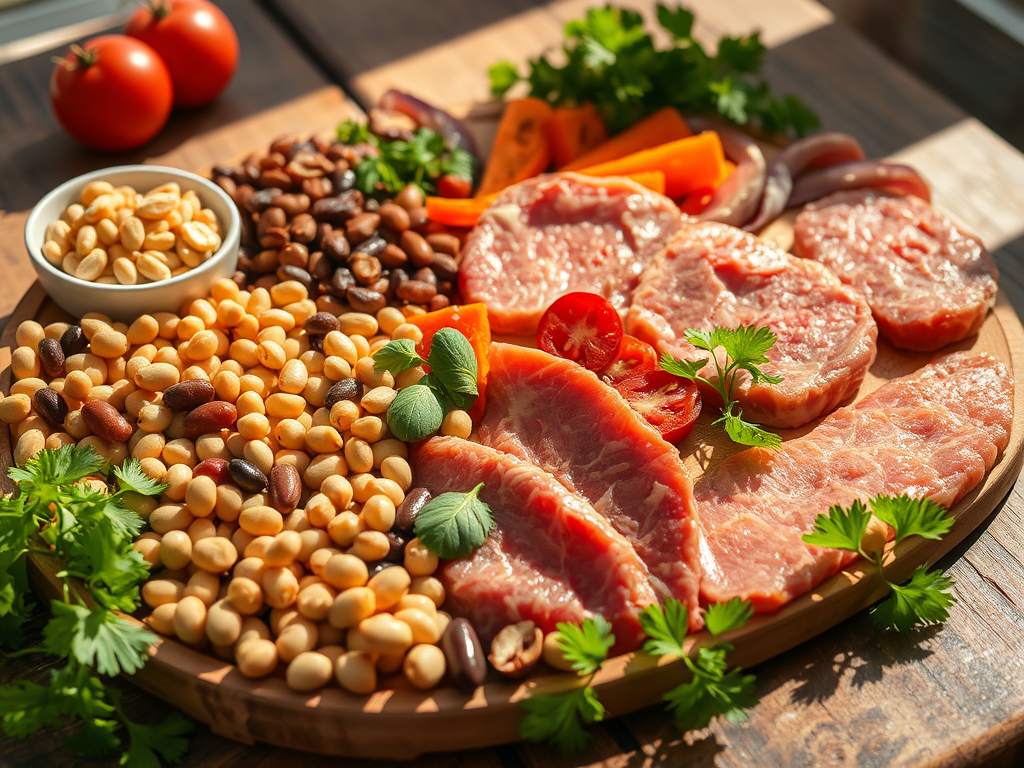
- Animal-Based Proteins: Meat, poultry, fish, and eggs provide complete proteins, meaning they contain all nine essential amino acids that your body can’t produce on its own. Red meats like beef and lamb are excellent sources of high-quality protein, but they can also be high in fat, so balance them with leaner cuts like chicken or turkey.
- Plant-Based Proteins: Fresh plant-based proteins like lentils, beans, chickpeas, quinoa, and tofu are great alternatives to meat. While they don’t always provide a full range of essential amino acids on their own, you can easily combine different plant-based sources (e.g., rice and beans) to meet your protein needs.
- Dairy Products: Dairy foods like Greek yogurt, cottage cheese, and milk are high in protein and also offer other benefits, such as calcium and vitamin D. They’re excellent for supporting muscle repair and recovery.
- Whey Protein Supplements: If you’re struggling to get enough protein from whole foods, whey protein supplements are a convenient and low-fat option. Whey protein is a complete protein and is quickly absorbed by the body, making it perfect for post-workout recovery or as a quick snack. Plus, it’s a great way to boost your intake without needing to eat slabs of beef or lamb.
Final Thoughts: Prioritize Protein in Your Diet
In summary, protein isn’t just for bodybuilders—it’s an essential nutrient for everyone. Whether you’re trying to lose weight, build muscle, or age healthily, ensuring you’re eating enough protein is crucial. The general guideline of 0.8 grams per kilogram of body weight is a good starting point, but if you’re more active, aiming for fat loss, or over 30, you should increase that to 1.0-1.3 grams per kilogram.
By incorporating a variety of protein sources—from lean meats to plant-based options and whey supplements—you can ensure that you’re giving your body what it needs to function at its best. So, next time you sit down to plan your meals, ask yourself: Are you eating enough protein? Your body will thank you for it!
 scozafitness.com